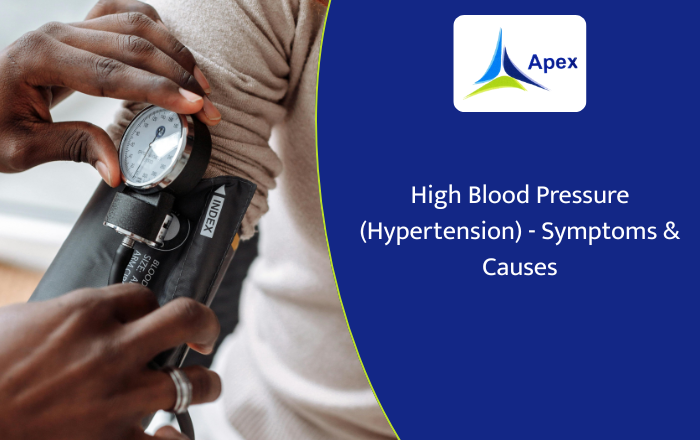
High blood pressure—also known as hypertension—is one of the most common health conditions worldwide, yet many people don’t know they have it. Often called the “silent killer,” hypertension usually develops quietly and gradually, with no noticeable symptoms until it has already caused serious damage. That’s why understanding its symptoms, causes, and risk factors is essential for maintaining long-term health. In this 100% original and beginner-friendly guide, we’ll break down what high blood pressure really is, the signs you shouldn’t ignore, what causes it, and how you can protect yourself or your loved ones. What Is High Blood Pressure? Blood pressure measures the force of your blood pushing against the walls of your arteries. When this pressure remains consistently too high, it strains your heart, damages blood vessels, and increases the risk of life-threatening conditions such as heart attacks, strokes, and kidney disease. Blood pressure is recorded using two numbers: Systolic pressure (top number): Pressure when the heart beats Diastolic pressure (bottom number): Pressure when the heart rests between beats According to general guidelines: Normal: Below 120/80 mmHg Elevated: 120–129 / <80 mmHg Hypertension Stage 1: 130–139 / 80–89 mmHg Hypertension Stage 2: ≥140 / ≥90 mmHg Symptoms of High Blood Pressure One of the most challenging aspects of hypertension is that most people don’t experience symptoms at all. You can live with dangerously high blood pressure for years without realizing it. However, when symptoms do appear, they may include: 1. Severe or Frequent Headaches Persistent headaches—especially early in the morning—can be a sign that blood pressure is too high. 2. Dizziness or Lightheadedness Hypertension can affect blood flow to the brain, causing episodes of dizziness. 3. Blurred Vision or Vision Changes Very high blood pressure may damage blood vessels in the eyes. 4. Shortness of Breath If the heart is under strain, breathing may feel more difficult. 5. Chest Pain Chest discomfort should never be ignored. It may indicate heart complications related to hypertension. 6. Nosebleeds In rare cases, uncontrolled high blood pressure can trigger sudden nosebleeds. 7. Fatigue or Confusion When blood pressure spikes severely, it can affect mental clarity and energy levels. 8. Irregular Heartbeat Hypertension can contribute to arrhythmias, making the heart feel like it is fluttering or skipping beats. Important: These symptoms typically occur only when blood pressure is dangerously high. The majority of people have no symptoms, which is why regular blood pressure monitoring is essential. Causes of High Blood Pressure Hypertension doesn’t have just one cause—it is influenced by a combination of lifestyle, genetics, and medical factors. Below are the primary causes: 1. Unhealthy Diet A diet high in salt, processed foods, and unhealthy fats can raise blood pressure. Sodium causes the body to retain water, increasing pressure on artery walls. 2. Lack of Physical Activity Regular movement helps maintain healthy arteries and improves heart function. A sedentary lifestyle can lead to weight gain and higher blood pressure. 3. Being Overweight or Obese Excess body weight forces the heart to work harder, increasing pressure in the arteries. 4. Smoking and Alcohol Consumption Tobacco damages blood vessels and quickly elevates blood pressure. Excessive alcohol intake also raises blood pressure and contributes to weight gain. 5. Stress Chronic stress triggers hormones that temporarily raise blood pressure. Over time, these spikes can become harmful. 6. Genetics and Family History If hypertension runs in your family, your risk is significantly higher. 7. Age The older you get, the more your blood vessels stiffen, making high blood pressure more likely. 8. Medical Conditions Certain health issues, such as diabetes, kidney disease, and sleep apnea, can contribute to hypertension. 9. Certain Medications Some medications—like corticosteroids or birth control pills—may raise blood pressure in some individuals. Why High Blood Pressure Is Dangerous If left untreated, hypertension can quietly damage your body for years. Complications may include: Heart disease and heart attacks Stroke Kidney failure Vision loss Peripheral artery disease Aneurysms Because these complications develop over time, early detection and treatment are crucial. How to Reduce Your Risk Improving blood pressure often begins with lifestyle changes. Here are simple but powerful habits: Maintain a healthy weight Reduce sodium intake Eat more fruits, vegetables, and whole grains Exercise at least 30 minutes a day Quit smoking Limit alcohol Practice stress management (yoga, deep breathing, meditation) Monitor your blood pressure regularly If lifestyle changes are not enough, a healthcare provider may prescribe medications to help control blood pressure. When to See a Doctor You should seek medical attention if: Your blood pressure readings are consistently above 130/80 mmHg You experience severe symptoms like chest pain, severe headache, or difficulty breathing You have risk factors such as diabetes or a family history of hypertension Early management can prevent serious complications and improve quality of life FAQs About High Blood Pressure (Hypertension) 1. What is considered high blood pressure? High blood pressure is typically diagnosed when your readings consistently stay at or above 130/80 mmHg. Anything higher increases your risk of heart disease, stroke, and other health issues. 2. Can high blood pressure cause symptoms? Most of the time, hypertension shows no symptoms, which is why it’s often called a silent killer. Symptoms may only appear when blood pressure reaches dangerously high levels. 3. How often should I check my blood pressure? If you have normal readings, checking once every 6–12 months is sufficient. People with elevated or high blood pressure should monitor it weekly or as recommended by a doctor. 4. Can high blood pressure be cured? There is no permanent cure, but it can be effectively managed with lifestyle changes and medication. Many people control hypertension successfully for years. Conclusion High blood pressure is serious but highly manageable when identified and treated early. By understanding its symptoms and causes, you can take proactive steps to protect your health. If you’re seeking expert care, Dr. Nitin Rane provides reliable and personalized Hypertension Treatment in Akluj to help you stay in control of your heart health. Book an appointment today and take the first step